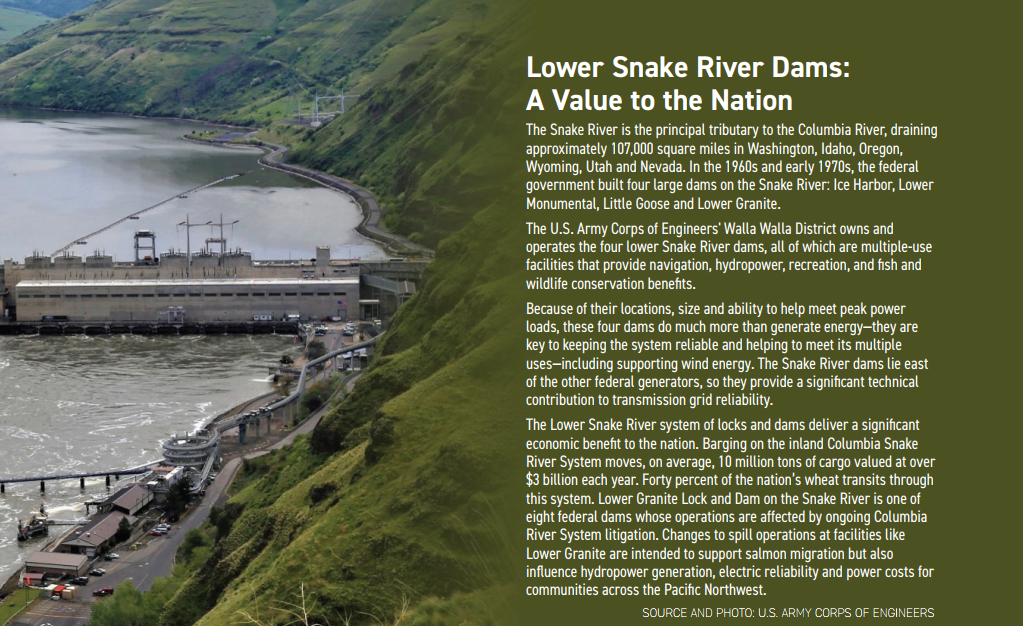

Ohop Mutual is closely following ongoing developments surrounding operations on the Columbia and Snake River hydropower system, following recent reports that court-ordered changes may be delaying the migration of adult salmon. As a consumer-owned electric cooperative that receives power from the federal hydropower system, decisions affecting dam operations directly impact on our members. These decisions influence not only fish recovery efforts but also the affordability, reliability and availability of electricity throughout the Pacific Northwest.
What’s Happening
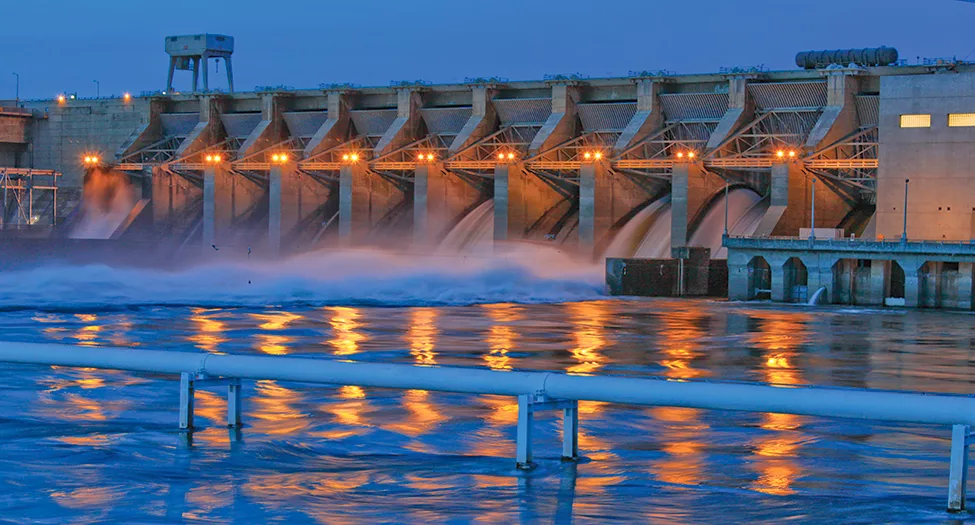
Earlier this year, a federal court ordered changes to operations at several Columbia and Snake River dams that require significantly more water to be spilled past the dams rather than through turbines used to generate electricity. The intent of the increased spill is to improve conditions for juvenile salmon migrating downstream, even though the effectiveness is disputed.
The litigation involves multiple parties with differing perspectives on how best to achieve salmon recovery. The states of Oregon and Washington are plaintiffs in the case and have advocated for the expanded spill operations now being implemented. The states of Montana and Idaho have joined as defendant-intervenors, alongside organizations such as the Public Power Council, advocating for river operations that balance the needs of salmon recovery with the continued benefits of reliable, affordable hydropower.
Recent monitoring at John Day Dam and Lower Monumental Dam has raised concerns that these new operating conditions maybe having unintended consequences for adult salmon returning upstream to spawn.
According to reports from federal agencies and the Public Power Council, adult Chinook salmon passage at John Day Dam declined sharply during periods of continuous high spill. After emergency adjustments temporarily reduced spill levels, daily fish counts increased, prompting additional questions about how these new operations may be affecting migration.
Why It Matters to Ohop Members
Hydropower provides the Northwest with reliable, carbon free electricity at some of the lowest costs in the nation. Ohop purchases much of its power through the Bonneville Power Administration, which markets electricity generated by the federal hydroelectric system.
When more water bypasses turbines through spill, less electricity is produced. BPA must often replace that lost generation with more expensive power purchases, increasing costs that ultimately affect utilities and their members. Reduced hydropower generation can also impact system reliability, particularly during periods of high electricity demand.
At the same time, maintaining healthy salmon populations is an important priority for our region. The challenge is finding solutions that effectively support fish while preserving a reliable and affordable electric system for the communities that depend on it.
Science-Based Solutions Are Essential
The Public Power Council and other regional stakeholders have expressed concern that the current spill requirements were implemented before being fully tested at this scale. The recent reports of delayed adult salmon migration reinforce the importance of evaluating operational changes using measurable, cientific results.
Ohop supports efforts that recognize both the value of salmon recovery and the critical role hydropower plays in serving the Northwest. Decisions involving the federal hydropower system should be guided by sound science and demonstrated outcomes to ensure environmental goals are achieved while maintaining affordable and dependable electric service.
Ohop Is Monitoring the Situation
While Ohop is not a direct party to the litigation, we are actively monitoring developments because of the potential impacts on our members.
Changes to the federal hydropower system can affect future power costs, system reliability and long-term energy planning across the region. We remain engaged with our regional partners and will continue to support policies that seek balanced, science-based solutions for both salmon recovery and hydropower operations.
Our commitment is to keep members informed about issues that could affect the cooperative and the communities we serve, ensuring that decisions impacting the Northwest’s energy future are based on careful analysis, collaboration and proven results.