
Spring is near, and warmer weather is on the way.
If your spring plans include remodeling, installing
a fence or sprinkler system or planting a tree,
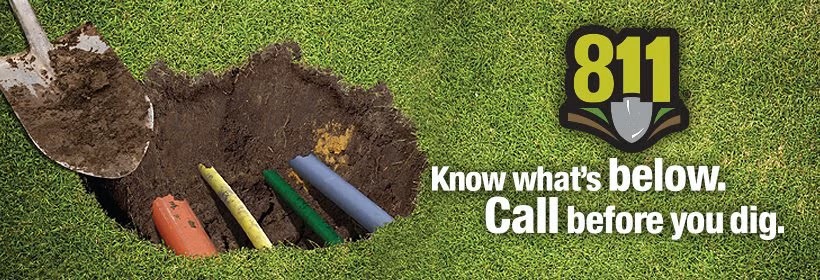
remember to call 811 first.

811 is the national call-before-you-dig phone
number. Before you begin a project that involves
digging, call 811 to request that the approximate
location of buried utilities be marked with paint
or flags to avoid contact with an underground
utility line.
You must give 48-hour notice for a digging
project, which gives all utilities the opportunity to
locate their facilities. Once all utilities have marked their buried lines, consider how close
your project is to the existing utility line for safety.
Every digging job requires a call. Digging without calling can disrupt service, harm you
or those around you, and potentially result in fines and repair costs.
If you are getting ready to plant trees, look around to see where overhead power lines
may be affected by their growth. In its lifetime, a 2-foot-tall fir seedling will grow to more
than 100 feet tall and about 30 to 50 feet wide. Larger trees should be planted at least 30
feet away from the lines.
Trees are a great way to add to your landscape or add natural shade to keep you home
cool in the summer, but they can interfere with the reliability of our system, and must be
trimmed away from power lines.
Proactive tree trimming is a critical part of our fire mitigation efforts as well. As crews
rotate throughout the service territory, they look for branches near power lines and
branches that could fall through lines. They work on trees determined to be a possible
threat—usually those planted directly below the lines. It is sometimes necessary to trim
branches from trees outside rights-of-way that are too close.
If you plan to prune or trim your trees, check for overhead power lines. Safety should
be your main concern. If you see lines in or near the tree you are planning to work on,
contact Ohop Mutual.
Let’s work together to keep everyone safe, reduce maintenance hassles and reduce tree-related power outages.
Kenneth Klotz